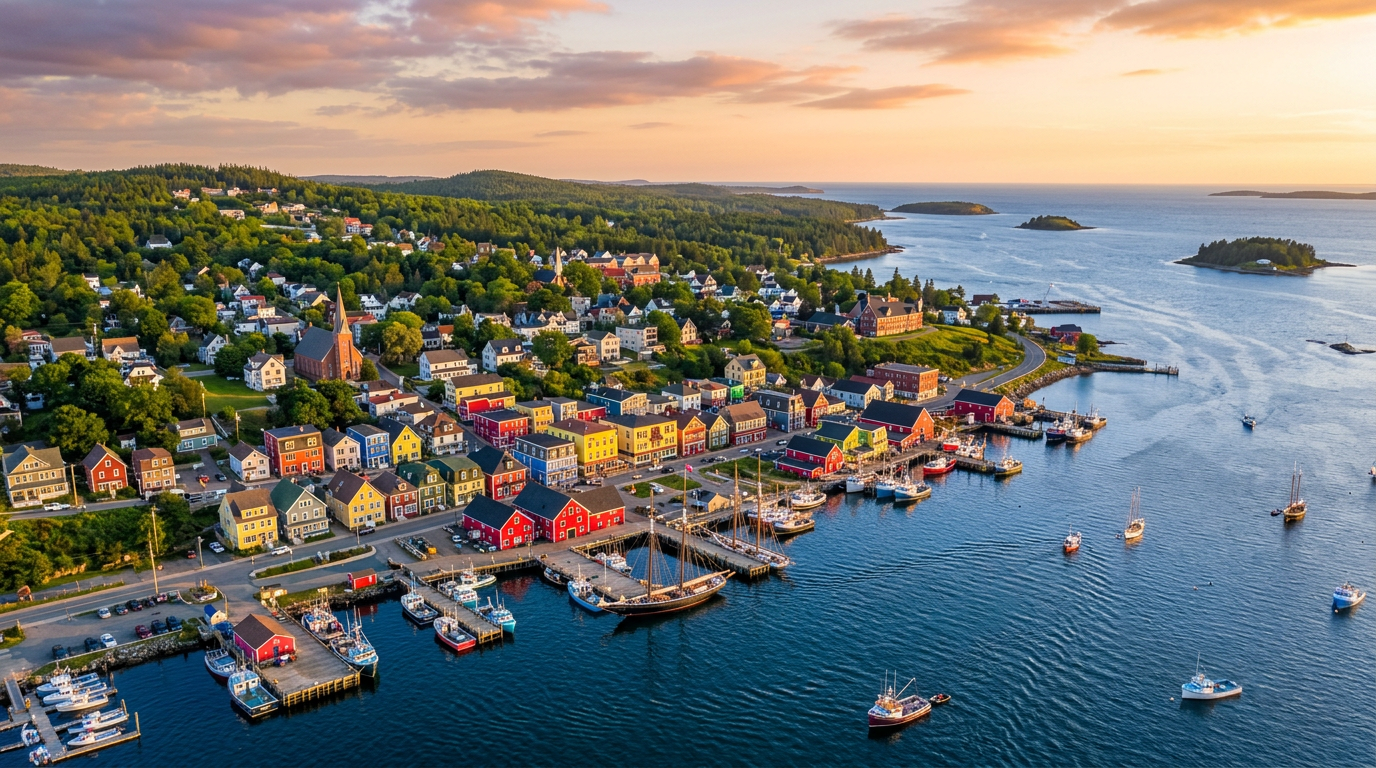
Canada's vast and varied landscape contains dozens of destinations that offer genuine character and natural beauty without the crowds or prices of the obvious tourist circuits. These five are among the most rewarding for a long weekend — each offering something distinct that the well-worn trail simply doesn't deliver.
1. Lunenburg, Nova Scotia
A UNESCO World Heritage Site that most Canadians know by name but haven't visited, Lunenburg is a working fishing town with a meticulously preserved 18th-century streetscape, excellent seafood, and a pace of life that feels genuinely unhurried. The town is small enough to walk entirely in an afternoon and large enough to sustain a weekend of exploration. The Bluenose II — Canada's iconic schooner — docks here, and the Fisheries Museum of the Atlantic offers one of the country's most underrated cultural experiences.
2. Tofino, British Columbia (Off-Season)
Most visitors arrive in summer. Come in October or November instead. The storms rolling in from the Pacific make Tofino's beach walking genuinely dramatic, accommodation prices drop substantially, and the town returns to the quiet fishing village it has always been beneath the summer tourist layer. Storm watching from the headlands at Long Beach is a particular attraction, and several lodges have built their offering specifically around the shoulder season experience.
3. St-Sauveur, Quebec (Beyond the Ski Hill)
The Laurentians north of Montreal are well-known for winter skiing, but the villages themselves — particularly St-Sauveur and Sainte-Adèle — offer a rewarding weekend in any season. The fall colour display along Autoroute 15 is among the best in eastern Canada, the restaurant scene is genuinely strong for a region of this size, and the combination of French-language culture and outdoor access makes for an experience that doesn't quite exist elsewhere in North America.
4. Dawson City, Yukon
For Canadians who haven't ventured to the Yukon, Dawson City provides a compelling reason. The former Gold Rush boomtown at the confluence of the Yukon and Klondike rivers has preserved much of its wooden frontier architecture, and the combination of First Nations Tr'ondëk Hwëch'in heritage, gold panning history, and midnight sun (in summer) or northern lights (in winter) makes it genuinely unlike anywhere else in Canada. Flights from Whitehorse are regular and the drive along the Klondike Highway is itself an attraction.
5. Prince Edward County, Ontario
Often called Ontario's wine country, Prince Edward County sits on a limestone plain southeast of Toronto that produces cool-climate wines — particularly Pinot Noir and Chardonnay — of genuine quality. The county has attracted a concentration of farm-to-table restaurants, artisan producers, and boutique accommodation that makes it unusually rewarding for a food-focused weekend. The beach at Sandbanks Provincial Park is among the finest freshwater beaches in the country and significantly less crowded than the obvious Ontario alternatives.