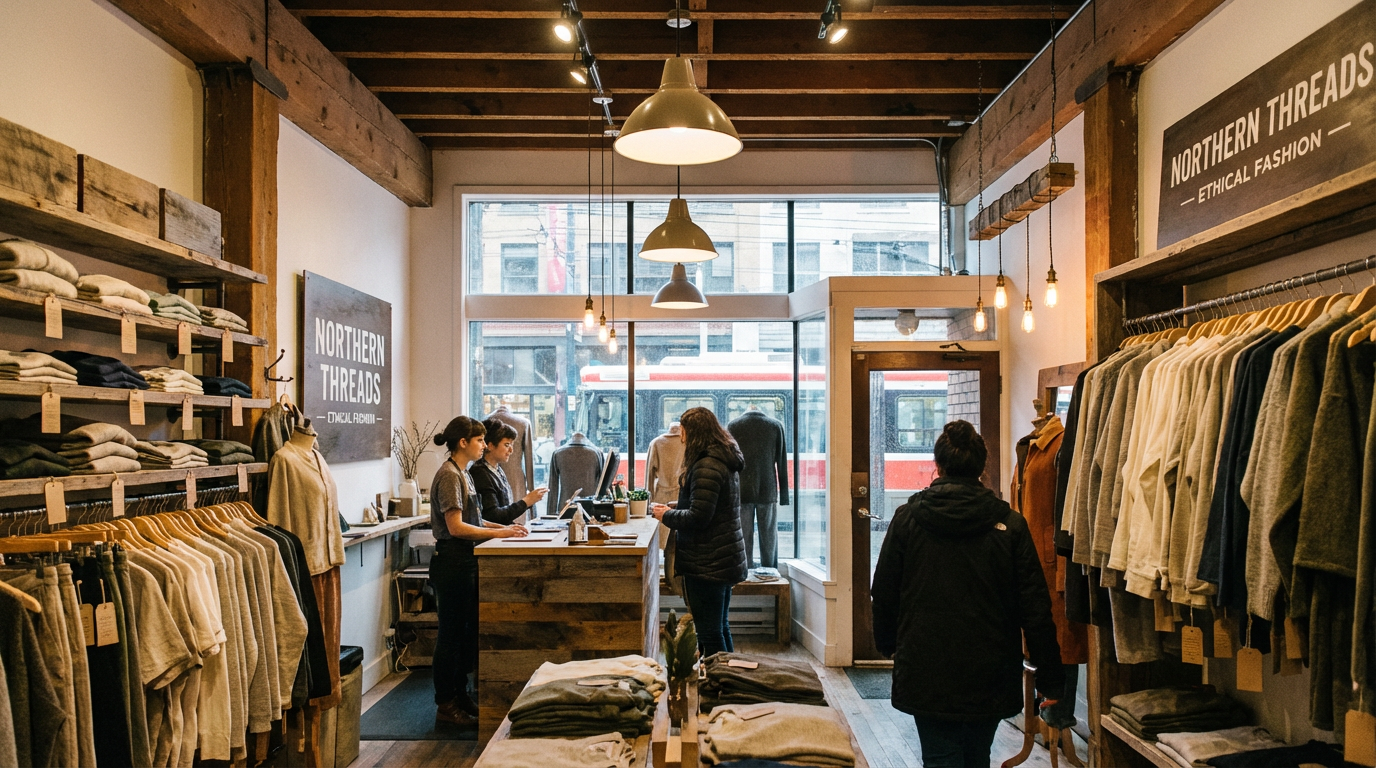
Canada's fashion industry is undergoing a notable shift toward sustainability, with eco-conscious brands reporting strong growth as shoppers increasingly factor environmental impact into their buying decisions. The trend has accelerated alongside growing public attention to Canada's climate commitments under the Net-Zero Emissions Accountability Act, making responsible consumption feel like a personal contribution to a national conversation.
What's Driving the Shift
Sustainable fashion labels are gaining market share through supply chain transparency, the use of natural and recycled materials, and ethical manufacturing standards. These qualities resonate strongly with Canadian consumers, particularly in urban centres like Toronto, Vancouver, and Montreal where awareness of fashion's environmental footprint has moved from niche concern to mainstream expectation.
Industry analysts note that Canadian consumers aged under 40 are increasingly prepared to pay a premium for sustainably produced clothing — and to buy less but buy better. This change in purchasing behaviour is creating viable commercial space for brands that might once have struggled to compete on price with fast fashion imports.
Retailers and Corporate Commitments
The movement is no longer confined to small independent labels. Major Canadian retailers have begun rolling out sustainable product lines and setting measurable targets for reducing packaging, water use, and carbon emissions across their operations. Several have aligned with Canada's Circular Economy Leadership Coalition and partnered with provincial recycling programmes to create textile take-back schemes.
Brands Making an Impact
- Tentree (Vancouver): Plants ten trees for every item sold and publishes detailed impact reports. Has grown from a small BC startup to an internationally distributed brand.
- Frank And Oak (Montreal): Pivoted aggressively toward certified sustainable materials and circular design principles, offering repair and resale programmes.
- Encircled (Toronto): Focuses on versatile, slow-fashion pieces designed and manufactured in Canada, with full supply chain transparency.
Challenges Ahead
Despite the momentum, the sustainable fashion sector in Canada faces real challenges. Greenwashing — the practice of making misleading environmental claims — has become more common as mainstream brands seek to capitalise on consumer interest without making substantive changes. The Competition Bureau of Canada has signalled increased scrutiny of unsubstantiated environmental claims in advertising, which may prompt greater accountability across the sector.
Supply chain transparency remains technically complex and costly to implement fully, and price remains a barrier for lower-income shoppers for whom fast fashion is a genuine economic necessity. Sustainable fashion advocates argue that the solution lies in policy — extended producer responsibility legislation and textile recycling infrastructure — rather than consumer choice alone.